
Anúncios
Ever thought of weighing your herd without heavy scales? Just use your phone.
This guide shows how to weigh cattle on your phone.
It makes work faster, saves labor, and improves records.
A cattle weighing app or mobile scale lets you weigh animals on your phone.
This keeps them calm and work quick.
Anúncios
Learn about phone-based cattle scales. They use apps and external scales for weight capture.
This is for small ranchers and family farms who need easy steps.
We look at four apps: Beefie, Coimma PEC, Agroninja Beefie, and Jetbov.
Anúncios
You’ll get setup tips, troubleshooting help, and how to use weights for decisions.
Keep reading for easy steps to weigh cattle on your phone.
You’ll manage herd records better and make quicker, smarter choices.
WEIGH CATTLE BY PHOTO
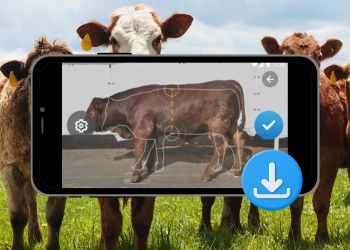
Why an Application for Weighing Cattle on Your Cell Phone Saves Time and Money
Using a phone app for weighing cattle makes your day easier. It cuts down on paperwork and gives you quick data for making decisions. This leads to fewer mistakes, faster sorting, and better records for vets and nutritionists.
Old ways of weighing cattle need many people and can be expensive. Fixed scales cost a lot to build and keep up. Paper logs can lead to mistakes and slow you down.
With a phone and a Bluetooth scale, you can weigh animals in the field. This means less stress for the cattle and fewer bruises. It also means you don’t have to enter data twice, making reports faster.
Buying a portable Bluetooth scale is cheaper than building a fixed scale. You also save on subscription fees for cloud backup and analytics. Don’t forget to budget for sensors and calibration supplies.
Using tech to weigh cattle helps you save money and improve health. You can spot problems early and make changes. This can increase your profits and lower vet bills.
Small herds can see benefits in just one season if they weigh often. Larger herds save on labor and sort faster, but it depends on how often they weigh.
There are resources from the USDA and universities to help you. They offer tips and success stories. Check with your local extension for grants to help with costs.
Common challenges with traditional cattle weighing
Manual systems need more labor and slow you down. Fixed scales are expensive to build and maintain. Paper records can lead to errors and lost data.
How mobile weighing reduces labor and stress on animals
Portable setups let you weigh animals where they are. This means less movement and handling. Your team can work better and animals are less stressed, leading to more accurate weights.
Cost considerations and return on investment for small and large operations
Compare the cost of a Bluetooth scale and app to a fixed scale. Remember to add subscription fees and sensor costs. Many farms find the benefits worth the cost.
Use resources from your local extension to plan for your herd. This helps you see how fast you’ll get your money back, whether you have a small ranch or a big feedlot.
Application for weighing cattle on your cell phone
A cattle weighing app turns your phone into a digital scale. You can save weights and run simple analysis. It’s like having a scale and a notebook in your pocket.
It connects your phone to scales for real-time readings. This makes tracking weights easy and fast.
So, what is a cattle weighing app? It’s a tool that links your phone to scales. You can log animal details and track weights. It helps you keep records and do simple math.
For selling livestock, use approved equipment. This ensures your weights meet local rules.
Most apps work with external scales or portable devices. These devices send data to your phone. You get instant readings and can save them for later.
Some apps use your phone’s sensors for weight. But, these sensors aren’t made for heavy weights. For accurate results, use certified scales or transmitters.
When buying, check if the app works on your phone. Look for Android iOS cattle app compatibility. Android phones often support more devices. iPhones work with Bluetooth Low Energy, which many scales need.
| Feature | How it works | Why it matters |
|---|---|---|
| Manual entry | You type weights and notes into the app | Good for small herds or spot checks |
| Bluetooth/Wi‑Fi scales | Scale transmits load-cell readings to the phone | Provides fast, accurate, real-time weights |
| Load-cell transmitters | Dedicated electronics convert strain gauge output to wireless data | Used for certified weighing and commercial sales |
| Sensor-based estimates | Apps use body measures or phone sensors to estimate weight | Useful when a scale is unavailable; less accurate |
| Cross-platform support | Android iOS cattle app compatibility listed in app description | Ensures your phone can pair with chosen hardware |
Overview of Top Apps Available in Play Store and App Store
There are many good apps for mobile cattle weighing and keeping herd records. Each app is for different users, from small producers to big feedlots. Make sure to check the app’s supported scales and subscription plans before you download.
Beefie — core features and ideal use cases
Beefie is great for easy weight tracking and keeping herd records clean. You can connect Bluetooth scales, make profiles for each animal, add photos, and see simple charts and analytics. You can also export data to a CSV for farm reports.
The app is easy to use, so you can focus on working with cattle. It’s perfect for small to medium farms that need a simple tool for weighing. Check out a Beefie app review to see what users say.
Coimma PEC — what sets it apart
Coimma PEC is for those who need precise electronic weighing and certified processes. It works with commercial load-cell systems and has strong calibration tools, multi-scale management, and advanced export options.
Use Coimma PEC for detailed weighing and tracking for sales or certifications. If you’re tech-savvy, compare Coimma PEC features with your scale’s documentation to see if they match.
Agroninja Beefie — integrations and farm management tools
Agroninja Beefie adds to basic weighing with full farm management. It has feed and treatment logs, performance tracking, cloud backups, multi-user access, and connects with other farm software.
If you want to link weight data to long-term records and decisions, Agroninja Beefie is a good choice. Look at sync options and backup policies when you’re checking accounts and prices.
Jetbov — quick setup and field performance
Jetbov is all about fast and efficient weighing in the field. It pairs quickly with Bluetooth, averages instantly, has a mobile-friendly design, offline caching, and fast export tools for easy reports.
Contractors, auction yards, and producers who need quick weigh-ins will like Jetbov. It’s fast to set up and works well in the field. Check the supported devices and offline limits before using it a lot.
| App | Best for | Key features | Notes |
|---|---|---|---|
| Beefie | Small to medium farms | Bluetooth pairing, profiles, photos, CSV export | Lightweight; read a Beefie app review for updates |
| Coimma PEC | Commercial feedlots | Calibration, multi-scale, advanced exports, batching | Precision workflows; verify Coimma PEC features with your scales |
| Agroninja Beefie | Producers needing farm management | Feed logs, performance tracking, cloud backup, multi-user | Strong Agroninja Beefie integration options for long-term records |
| Jetbov | High-throughput field work | Fast pairing, averaging, offline cache, quick exports | Test Jetbov app performance in your conditions before large jobs |
Before you download, compare the supported scale models, calibration steps, and user reviews. This quick check helps find the right app for your needs. It keeps weighing fast and reliable on your farm.
How to Choose the Right Cattle Weighing App for Your Farm
Finding the right tool can make your day easier and keep your records safe. Here are some tips to help you pick the best cattle weighing software. It should match your herd size, budget, and the conditions of your fields.
Key features to look for
Accuracy is key. Look for apps that support external load-cell scales. They should have clear calibration steps and options to smooth out bad readings.
Backups are important. Choose apps that sync to the cloud, back up automatically, and let you export data easily. This way, you can share weight records with vets or accountants.
Reports help save time when you’re selling or reviewing herd trends. Good apps offer weight trend charts, group summaries, and printable reports. These are useful for sales or vet visits.
Device compatibility and sensor requirements
Make sure the app works with your devices before buying. Check if it supports Bluetooth, works on different Android and iOS versions, and if it’s compatible with various scale brands.
Choose a scale that fits your animals. Calf teams need different capacities than adult cows. Also, think about the battery life and how rugged the devices are for outdoor use.
User interface and ease of use
Look for an app with big buttons and works offline. This is good for areas with bad cell service. Simple designs make it easier to learn and use, even during busy times.
Find an app that fits your workflow. It should have quick lookup by barcode, RFID, or ear tag ID. It should also have a single-button weigh capture and easy edit options. Multi-user accounts and permission settings are helpful when teams work together.
Decision tips
If you only weigh animals sometimes, a simple, affordable app might be best. It should have the basic features and easy exports. For frequent weighing or integrating with your herd, choose an app with cloud sync, detailed reports, and strong compatibility.
Try demo versions if you can. Make sure the brand offers good documentation and support, like Gallagher or Tru-Test, before you buy.
Step-by-Step Guide to Setting Up a Weighing App on Your Phone
Setting up a cattle weighing system on your phone is easy. Just follow these simple steps. You’ll be able to trust the numbers and save time in the barn.
Downloading from Play Store or App Store
Open Google Play or the Apple App Store. Search for a trusted app like Beefie, Coimma PEC, Agroninja Beefie, or Jetbov. Look at developer details and user reviews before installing.
Grant the app permissions it asks for. This includes Bluetooth and storage. This lets features like photo attachments and device pairing work right.
Initial configuration: profiles, units, and herd lists
Create your farm profile and choose units. Use pounds or kilograms to match your reporting. Add users if others will weigh animals.
Build herd lists by entering tag numbers, breed, and DOB. Or import a CSV to save time. Set defaults for tare weight, averaging method, and sampling interval.
Connecting external scales or Bluetooth sensors
Turn on the scale and follow its manual to enable pairing mode. In the app, open device settings and scan for nearby devices. Select the correct entry to pair; the step to pair Bluetooth livestock scale is usually one tap and a confirmation.
If the app prompts for calibration, place a known weight on the platform. Follow the in-app steps to set zero and span. Name multiple units clearly, for example Scale A and Scale B, to avoid confusion in the field.
First weigh-in: tips for accurate measurements
Lead an animal calmly onto the chute or platform and wait for the scale to stabilize. Use the app’s capture button or automatic capture mode to record the weight. Take two or three readings and use the app’s averaging feature for a reliable result.
Attach a photo and brief notes about condition score or treatment if needed. Save the record and check it under the herd list. Export a sample CSV to confirm the file works with your spreadsheets or vet reports.
Practical tips to keep you moving
- Keep phone and scale batteries charged before you start.
- Carry a backup phone or notebook in case of connectivity problems.
- Practice the workflow with a few animals so you master the setup cattle weight app routine.
Best Practices for Accurate Mobile Weighing in the Field
Get ready before you weigh. Move slowly and handle animals gently. This helps animals stay calm and steady.
Let each animal settle for a few seconds before recording its weight. When weighing groups, keep the mix the same. This makes your records easier to compare.
Don’t skip zero checks. Do a quick zero before each weigh-in. Use a known weight or a vehicle mark to check your readings often.
If you notice any issues, stop and recalibrate. Check your readings against a handheld or certified scale sometimes. This helps keep your data accurate.
Place your equipment on solid, level ground. Avoid soft or rocky surfaces. They can cause your readings to be off.
Keep your electronics dry and clean. Use weatherproof cases and make sure Bluetooth antennas are clear. If you lose signal, use offline mode to avoid losing data.
Keep detailed records. Note the time, weather, feeding times, and any handling issues. Also, schedule regular calibration checks and log them in your app. These records help you understand any changes in weight.
Here’s a quick checklist for accurate cattle weighing in the field:
| Area | Action | Why it matters |
|---|---|---|
| Animal Handling | Use quiet movement, consistent chutes, allow settling time | Reduces movement, lowers stress, yields steady readings |
| Calibration | Perform zero checks, use certified weights, recalibrate after moves | Ensures accuracy and traceability when you calibrate cattle scale |
| Surface & Placement | Set scale on firm, level ground and stable platform | Prevents tilt and uneven pressure that skew results |
| Electronics | Weatherproof gear, clear Bluetooth path, use offline mode if needed | Protects equipment and avoids pairing or sync failures |
| Recordkeeping | Time-stamp weigh-ins, note conditions, log calibration checks | Creates a clear audit trail for future analysis |
Follow these tips every time you weigh. They help you trust your data more. This makes your decisions on feed, health, and marketing better.
How Mobile Weighing Integrates with Farm Management Workflows
Mobile weighing makes your farm work easier. It links live weight checks to herd records and health logs. This way, you get useful data for feeding, breeding, and sales.
Follow simple steps to keep entries the same. Share results with your team or vet.
Recording weights into herd records and health logs
Use the animal profile to attach each weight to ID, date, and event. Tag weights at checkpoints like weaning and pre-sale. This keeps a reliable history.
Link weight entries to vaccinations and treatments. This builds a full health timeline.
Allow many users to add or edit entries. Your vet, technician, or ranch hand can add notes and photos. This keeps everyone informed and reduces duplicate work.
Exporting data for analysis, spreadsheets, or vets
Most herd management apps let you export data in CSV, Excel, or PDF. Export a single animal’s weight history for a vet consult. Or pull herd-level exports for accounting and traceability platforms.
Export to Excel for trend charts or send a PDF summary to a buyer. Direct integrations with software like QuickBooks speed up bookkeeping and compliance reporting.
Using weight trends for feeding, breeding, and marketing decisions
Calculate average daily gain to adjust rations and improve feed efficiency. Flag underperformers for targeted nutrition or health checks. Use weight and condition data to decide breeding readiness.
Prepare weight reports to show buyers or auction houses. Pick sale dates that match growth curves and target weights to maximize return. Alerts inside herd management apps help you spot sudden weight loss or rapid gains.
Workflow tips to keep data reliable and actionable
Set automated reminders for weigh-ins and export schedules. Use integrated analytics in herd management apps to spot trends. Create alerts for thresholds that matter to your operation.
| Workflow Step | Action | Benefit |
|---|---|---|
| Weighing checkpoint | Record weight at weaning, pre-sale, and post-treatment | Consistent history for trend analysis |
| Profile linking | Attach weight to animal ID, health notes, and breeding events | Single source of truth for each animal |
| Multi-user input | Allow vets and techs to add entries and photos | Improved collaboration and faster decisions |
| Data export | Export livestock data as CSV, Excel, or PDF | Flexible reporting for vets, buyers, and accounting |
| Analytics & alerts | Use built-in charts and set weight-change notifications | Early detection of issues and optimized feeding |
Troubleshooting Common Issues with Phone-Based Cattle Weighing
When your mobile weighing setup has trouble, a few quick checks can help. First, check if everything is connected right. Also, make sure the animal is calm.
Keep notes on the scale’s firmware and app versions. This helps when you need to fix problems fast.
Bluetooth pairing and connectivity fixes
First, make sure Bluetooth is on and your phone is discoverable. If pairing fails, try restarting both your phone and the scale. Move away from places with lots of Bluetooth signals.
Clear old pairings and pair again. Make sure the app has the right permissions. Some Androids need location permission for Bluetooth scanning. Keep your app and phone OS updated to avoid bugs.
Dealing with inconsistent or outlier readings
Uneven ground or a moving animal can cause spikes. Make sure the animal is steady before weighing again. Check if anything is pressing on the scale.
Look at the scale’s parts: load cells, connectors, cables, and the battery. A low battery can cause problems. Use the app’s features to smooth out spikes, but check for hardware issues if they keep happening.
When to contact app support or the device manufacturer
If the app crashes or has bugs, contact the developer. Send them screenshots and your phone and OS details. For hardware problems, contact the scale maker with your serial number and purchase info.
Keep a simple log of updates and calibrations. Train your team on basic fixes. This way, you won’t have to call for help as much. If Bluetooth problems keep happening, document each step to help fix them faster.
Tips to Make Your Digital Life Easier with Cattle Weighing Apps
Make your life easier by weighing cattle at the same time every day. Keep a short fasting time before weighing if needed. Use RFID or visual tags for easy ID.
Use bulk imports and templates to make herd lists quickly. This helps avoid mistakes. These tips are great for starting with farm tech.
Keep your data safe with cloud sync and a backup in CSV format. Remove duplicates and keep names the same for reports. Use reminders and link the app with other software to save time.
Be ready for outdoor work by carrying power banks and using tough phone cases. Keep scales and phones dry. Teach your team with a checklist and practice.
Create custom reports and add photos and notes for special cases. This helps with vet checks or buyer needs. Start with one app and a portable scale for practice.
Follow the app’s guide and ask your local extension service for help. These steps will make managing cattle easier and teach you useful tech tips.
